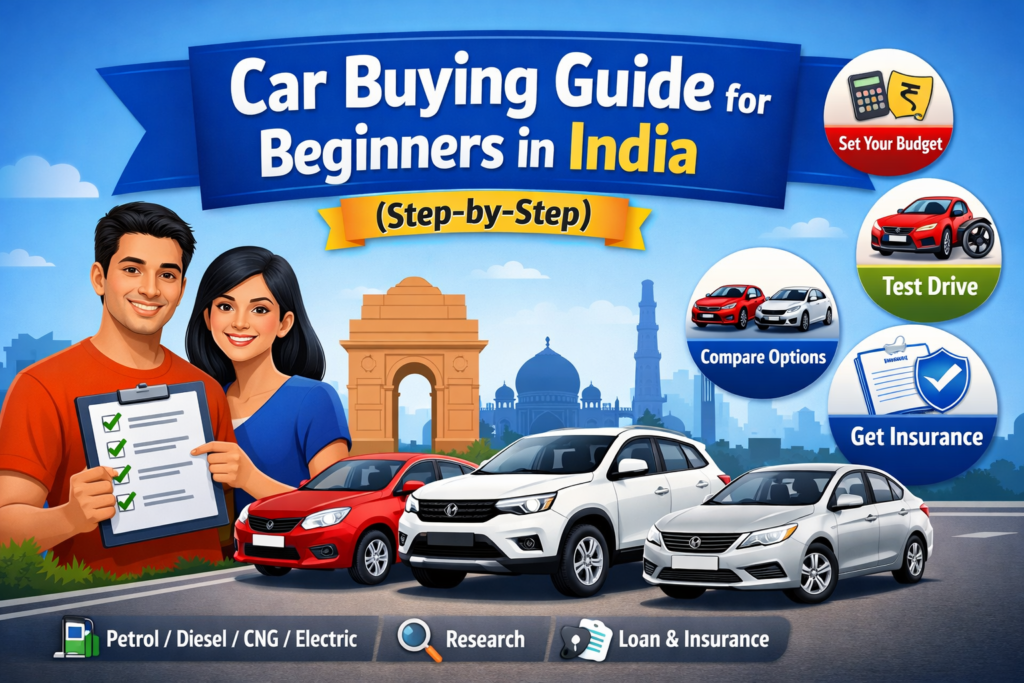
Buying your first car in India is an exciting milestone, but it can also feel confusing with so many options, features, and financial decisions involved. This beginner-friendly guide will walk you through the entire process step by step, helping you make a smart, confident, and budget-friendly decision.
1. Decide Your Budget First
Before you start looking at cars, you must fix a clear budget. This is the most important step.
What should your budget include?
- Ex-showroom price – base cost of the car
- RTO charges – registration fees
- Insurance cost
- Accessories & add-ons
- On-road price – final amount you pay
👉 Tip: Don’t spend your entire savings. Always keep some money for emergencies.
Loan or full payment?
- If paying cash, ensure you still have savings left
- If taking a car loan, check EMI affordability (ideally 10–15% of your monthly income)
2. Choose the Right Type of Car
India has many car types. Choose based on your needs.
Common car categories:
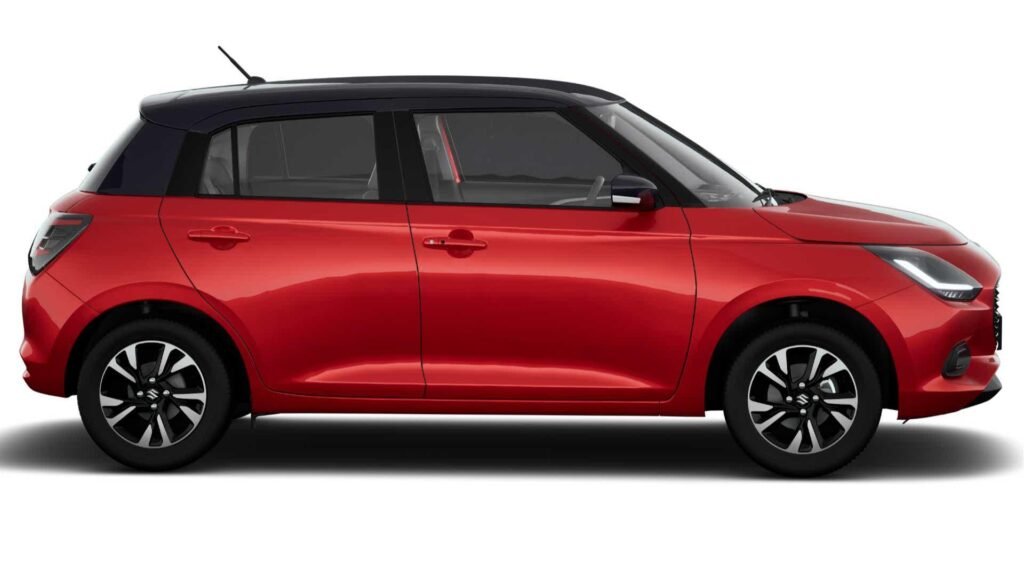
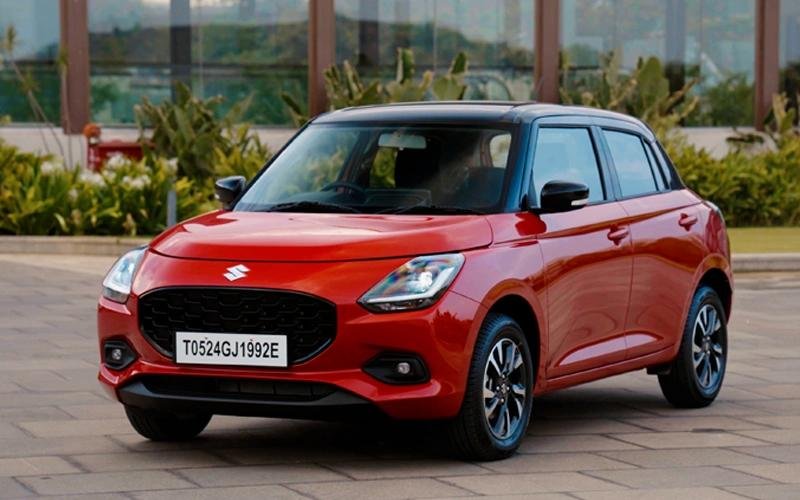
- Hatchback – Budget-friendly, best for city (e.g., small families)
- Sedan – Comfortable and stylish (good for long drives)
- SUV – Strong build, good for rough roads
- Compact SUV – Popular choice in India (balanced option)
👉 If you drive mostly in city traffic, go for a hatchback or compact SUV.
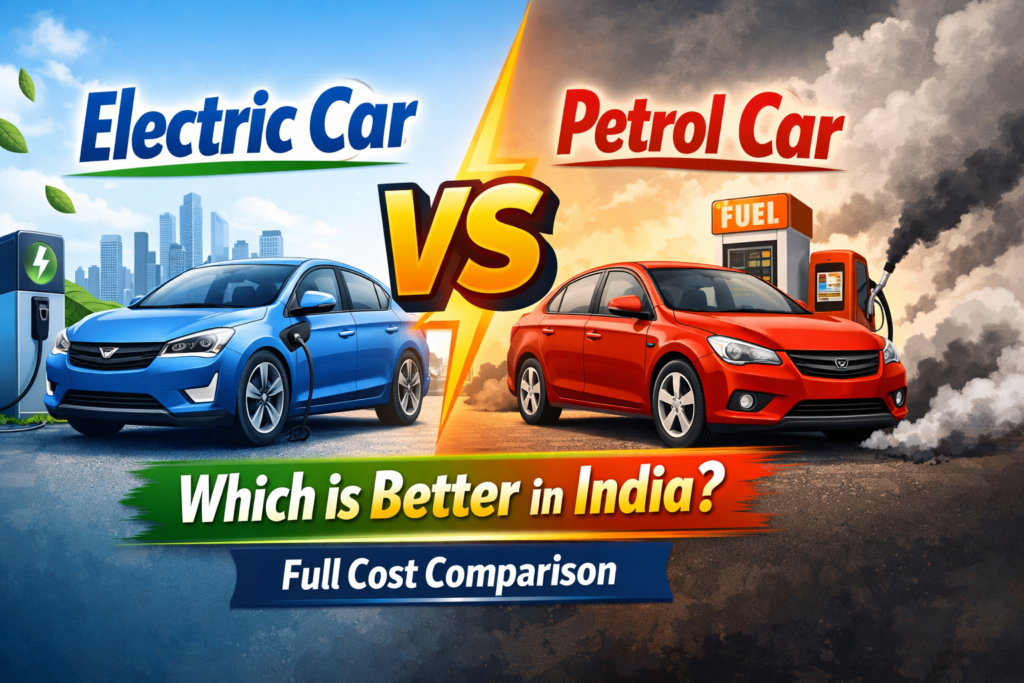
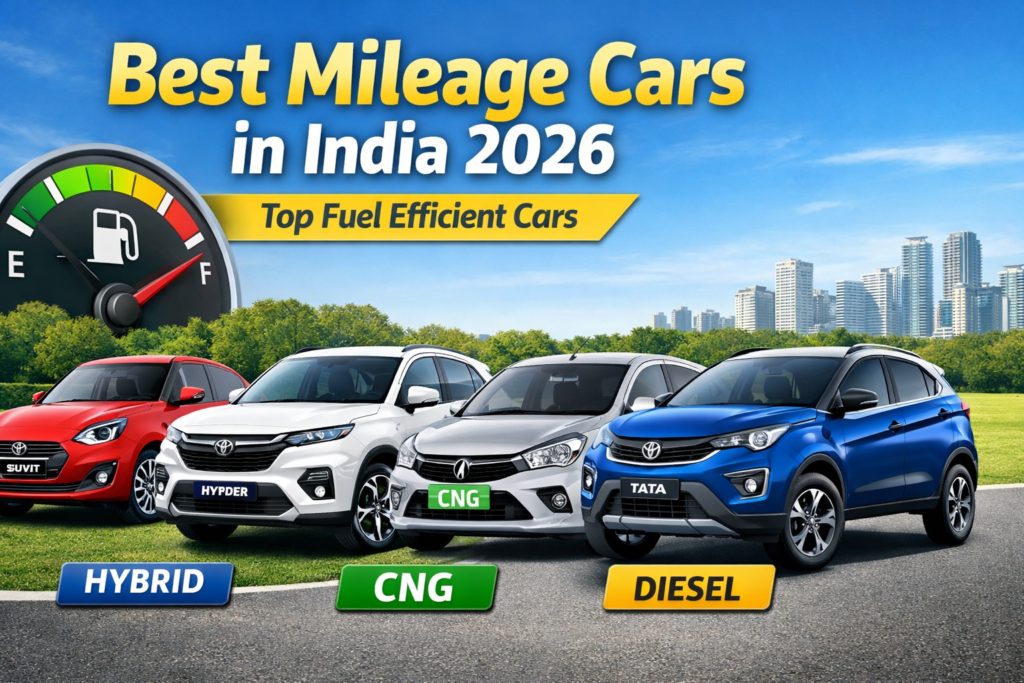
3. Petrol, Diesel, CNG or Electric?
Choosing the right fuel type can save you a lot of money.
Petrol Cars
- Lower initial cost
- Best for low running (less than 1000 km/month)
Diesel Cars
- Better mileage
- Good for long-distance driving
- Higher upfront cost
CNG Cars
- Cheapest running cost
- Limited boot space
- Fewer options available
Electric Cars (EVs)
- Eco-friendly
- Low running cost
- Higher purchase price
- Charging infrastructure still growing in India
👉 Simple rule:
- City + low usage → Petrol
- High usage → Diesel
- Saving money → CNG
- Future-focused → Electric
4. Research Cars Online
Now shortlist 2–3 cars based on your budget and needs.
What to check?
- Price and variants
- Mileage (fuel efficiency)
- Safety rating (very important)
- Features (touchscreen, airbags, ABS, etc.)
- Maintenance cost
- User reviews
👉 Focus on safety features like:
- Airbags
- ABS (Anti-lock Braking System)
- Reverse parking camera
5. Compare Variants Carefully
Every car comes in different variants (base, mid, top).
Don’t blindly buy the top model
Sometimes mid-variant gives best value.
Check:
- Essential features vs price
- Aftermarket accessories (cheaper outside showroom)
👉 Example: You can install a music system later instead of paying extra in showroom.
6. Visit Showrooms & Take Test Drive
Never buy a car without a test drive.
During test drive, check:
- Driving comfort
- Seat comfort
- Visibility
- Gear shifting smoothness
- Suspension (on bad roads)
- Noise level
👉 Test drive in real conditions (traffic + rough roads if possible).
7. Check Safety Ratings
Safety should be your top priority, especially for beginners.
Look for:
- Global NCAP rating
- Number of airbags
- Build quality
👉 Avoid choosing only based on looks or mileage.
8. Understand On-Road Price & Hidden Costs
Many buyers only look at ex-showroom price, which is a mistake.
Ask dealer for:
- Full on-road price breakup
- Insurance options (compare outside too)
- Extended warranty
- Accessories cost
👉 Tip: You can negotiate insurance and accessories.
9. Book Your Car
Once satisfied, you can book your car.
Booking process:
- Pay booking amount (₹5,000–₹25,000 approx.)
- Get booking receipt
- Ask for delivery timeline
👉 Always confirm waiting period before booking.
10. Arrange Car Loan (If Needed)
If you are taking a loan:
Compare:
- Interest rates
- Processing fees
- EMI amount
- Loan tenure
👉 Shorter loan = less interest.
Documents required:
- ID proof
- Address proof
- Income proof
- Bank statements
11. Insurance Selection
Car insurance is mandatory in India.
Types:
- Third-party insurance – Basic, cheapest
- Comprehensive insurance – Covers damage + theft (recommended)
Add-ons:
- Zero depreciation cover
- Engine protection
- Roadside assistance
👉 Always compare insurance online before buying from dealer.
12. Pre-Delivery Inspection (PDI)
Before taking delivery, inspect your car carefully.
Check:
- No scratches or dents
- Correct variant and color
- All features working
- Odometer reading (should be very low)
- Tyres condition
👉 Never skip PDI. It can save you from future problems.
13. Car Delivery Day
On delivery day:
Ensure you receive:
- Invoice
- Insurance papers
- RC (Registration Certificate)
- Owner’s manual
- Spare key
👉 Take photos and videos for memory 😊
14. Registration & Number Plate
Dealer usually handles registration.
Types of registration:
- Temporary registration – Valid for short time
- Permanent registration – Official number
You will get:
- Number plate
- RC card
15. After Buying Tips
Your responsibility doesn’t end after buying the car.
Important tips:
- Follow service schedule
- Drive carefully (especially first 1000 km)
- Maintain tyre pressure
- Keep documents updated
👉 Regular servicing increases car life and performance.
Common Mistakes to Avoid
❌ Buying only based on looks
❌ Ignoring safety features
❌ Not taking test drive
❌ Overspending beyond budget
❌ Not comparing insurance
❌ Skipping pre-delivery inspection
Final Thoughts
Buying your first car in India is a big decision, but if you follow this step-by-step guide, the process becomes simple and stress-free. Always focus on your needs, budget, and safety instead of just brand or looks.
Take your time, do proper research, and make a smart choice. A well-chosen car will give you comfort, safety, and happiness for many years.
Bonus Tip:
If you’re confused between 2 cars, choose the one with:
✔ Better safety
✔ Lower maintenance
✔ Higher resale value